roganic

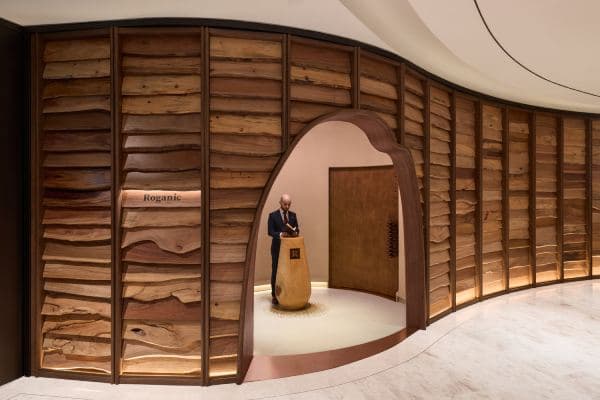
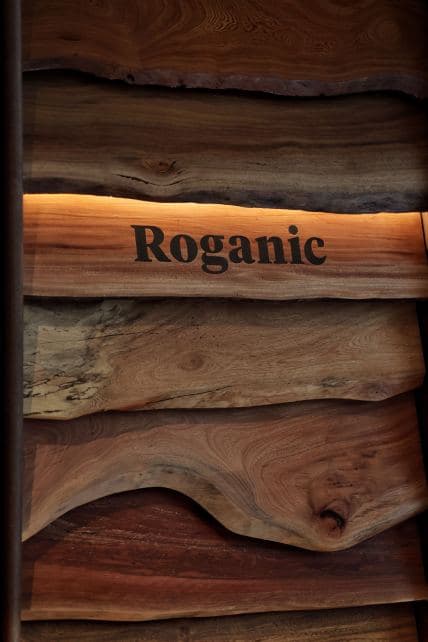
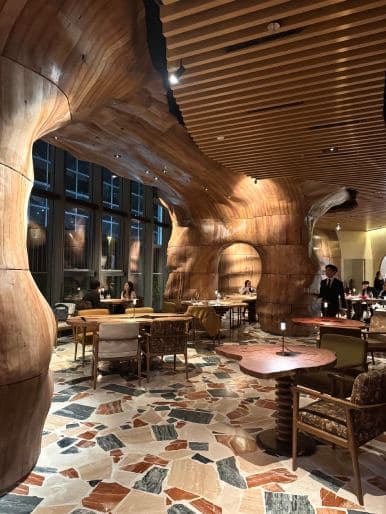
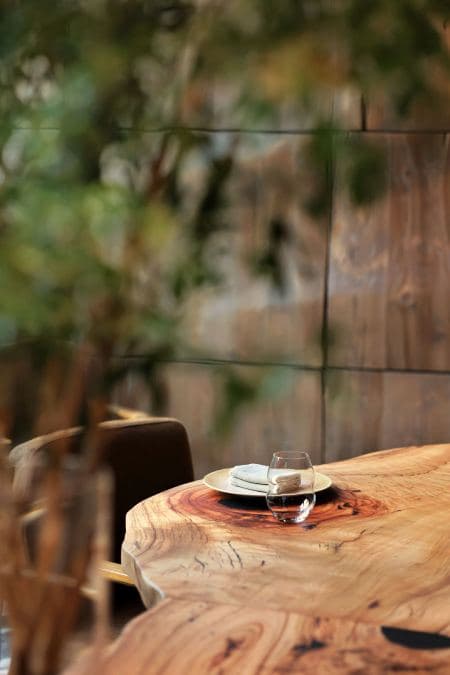
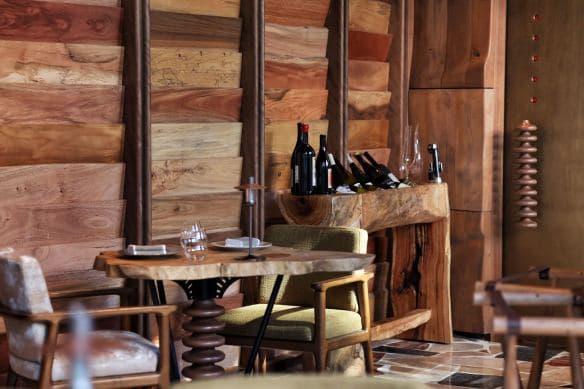
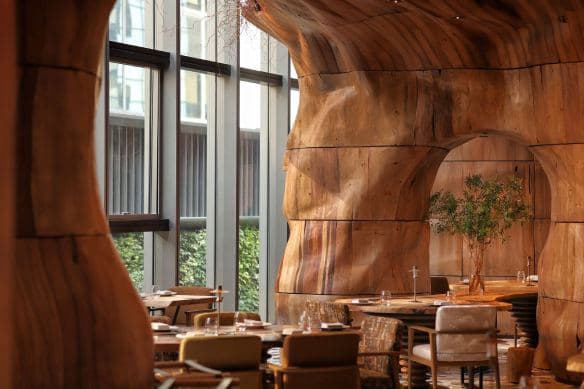
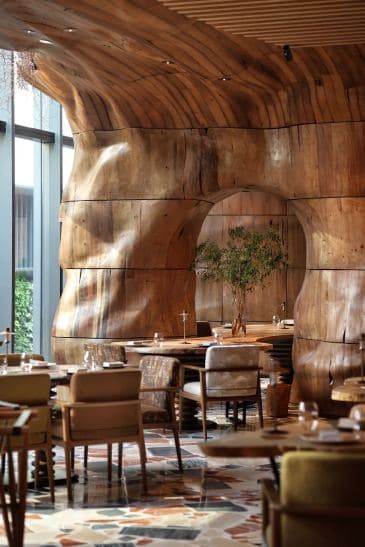
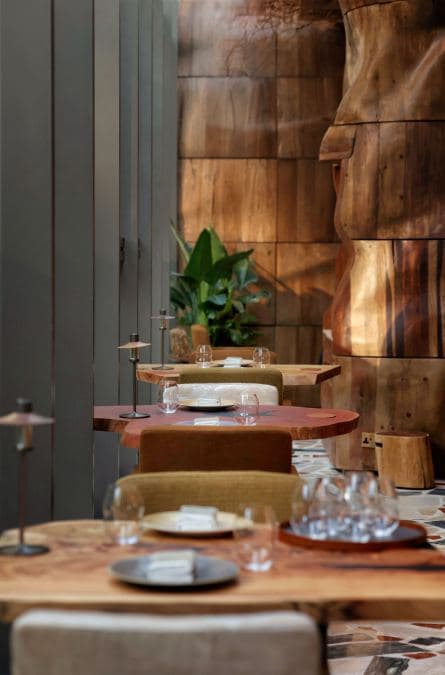
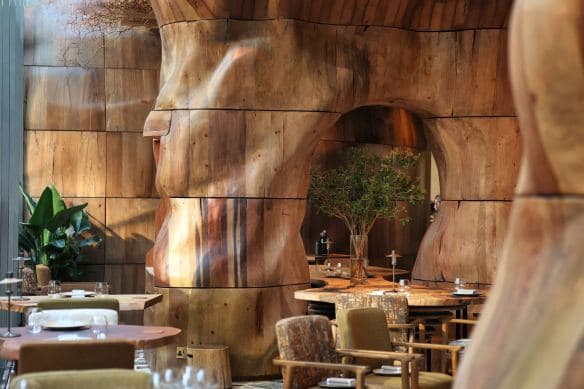
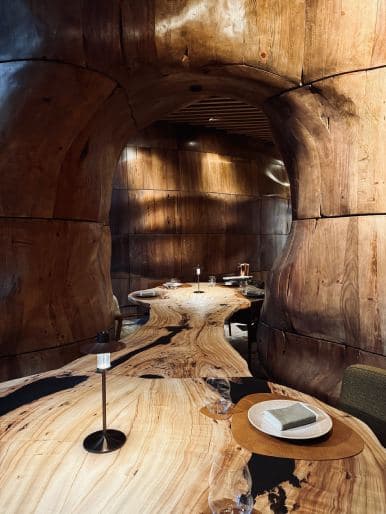
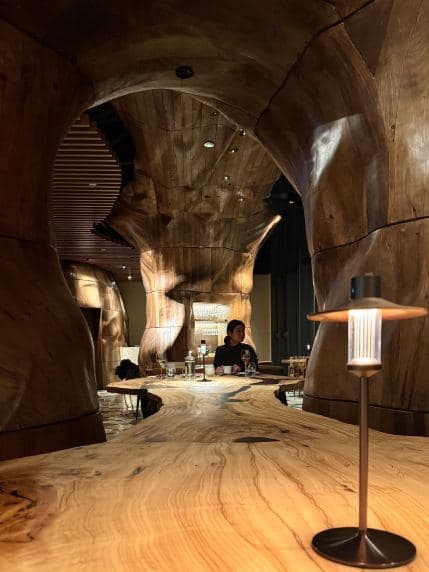
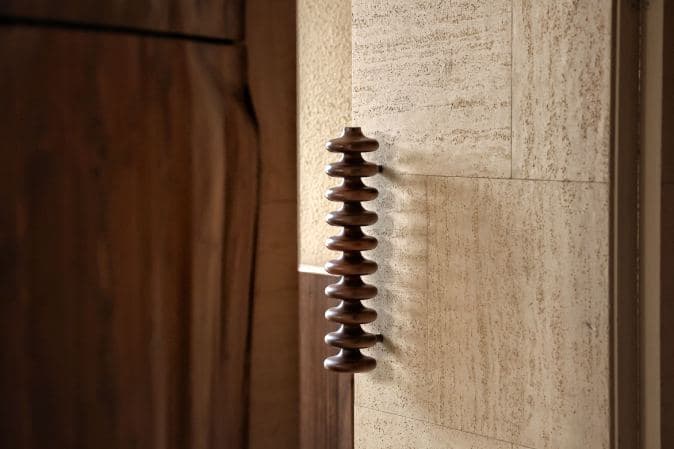
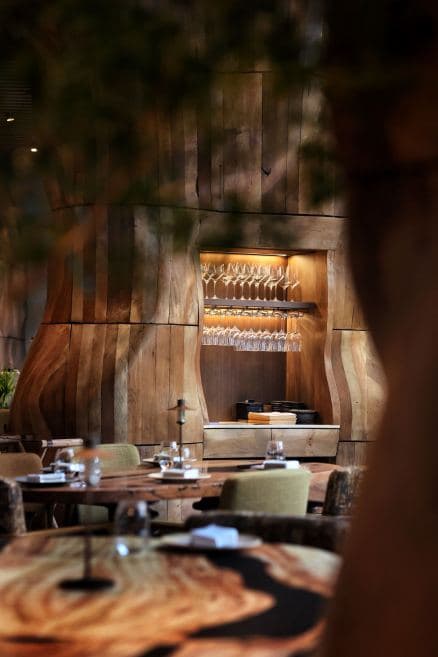
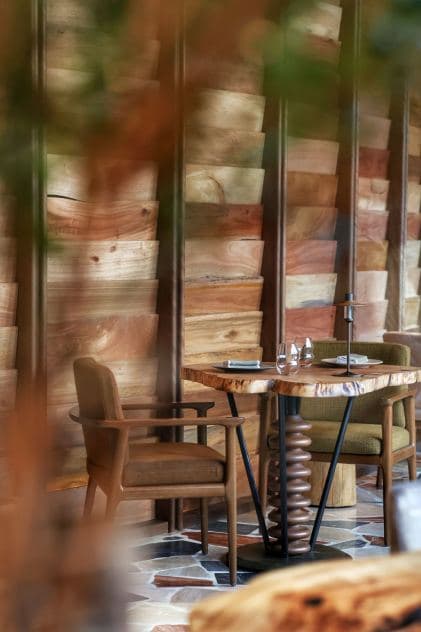
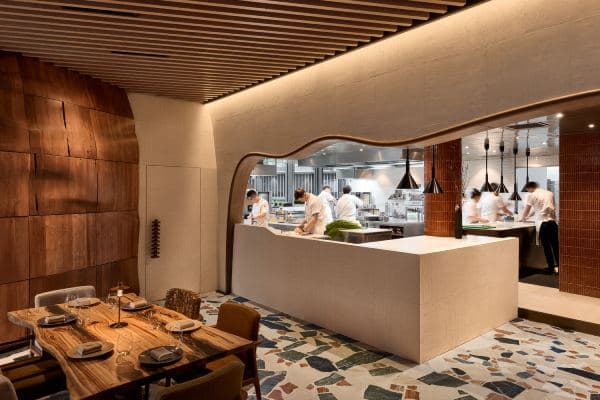
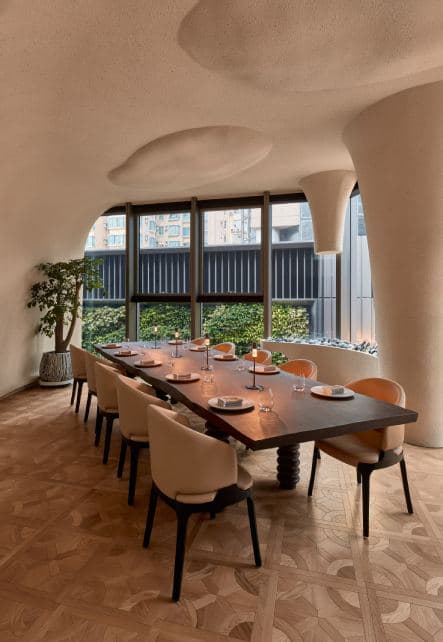
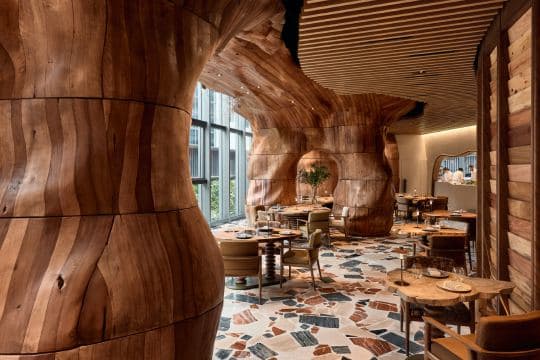
To us, this is not merely an interior design project; it conveys an important message about redefining sustainability and exploring the limits of creating sustainable interiors. It showcases how the beauty of nature can be expressed through the extensive use of recycled materials. Roganic embraces a farm-to-table philosophy and is dedicated to achieving zero food waste. Unlike other fine dining establishments, we aim to offer our customers a unique experience that emphasizes the true beauty of nature over extravagant design details and flawless finishes. This vision extends to our interior concept, which prominently features recycled materials. At the shopfront, you’ll find a series of operable wooden louvres crafted from typhoon-damaged trees, allowing for improved air circulation from the mall. The cave-like main entrance foyer serves as a chamber to showcase the Evogrow indoor planting system, where herbs and vegetables are grown for use in the restaurant. The main dining area features an organic bottle tree, created and manufactured by Hong Kong Timberbank using CNC-cut trees collected locally after typhoons. This bottle tree design dominates the space. The tabletops are sourced from typhoon debris and have been repolished, resulting in each table having a unique form and texture, reminiscent of a box of assorted chocolates. The fragmented stone flooring consists of leftover materials from other projects. The wine bar is finished with a plaster mix that includes used oyster shell powder, crafted by artist Eunis Cheong. Additionally, the chairs from the original Roganic have been reupholstered with a selection of leftover fabrics. Our commitment is to reuse as much as possible. Completed in 2025.
Roganic 01 - Atelier E interior designRoganic 02 - Atelier E interior designRoganic 03 - Atelier E interior designRoganic 04 - Atelier E interior designRoganic 05 - Atelier E interior designRoganic 06 - Atelier E interior designRoganic 07 - Atelier E interior designRoganic 08 - Atelier E interior designRoganic 09 - Atelier E interior designRoganic 10 - Atelier E interior designRoganic 11 - Atelier E interior designRoganic 12 - Atelier E interior designRoganic 13 - Atelier E interior designRoganic 14 - Atelier E interior designRoganic 15 - Atelier E interior designRoganic 16 - Atelier E interior designRoganic 17 - Atelier E interior designRoganic 18 - Atelier E interior design

Roganic Hong Kong

Michelin-starred hospitality interiors where reclaimed Hong Kong timber becomes the material manifesto — winner of the Global Best Sustainability Design Award 2025.

Client: Roganic Hong Kong / Simon Rogan · Year: 2025 · Location: Lee Garden One, Causeway Bay, Hong Kong

Challenge

Roganic needed interiors that extend chef Simon Rogan’s zero-waste, farm-to-table ethos into space — within a mall envelope that included awkward steel columns and the need for both intimacy and event flexibility. The brief demanded authentic sustainability without didactic eco-signage.

RARE application

Redefinition: sustainability is expressed as craft and form, not labels. Adaptation: three structural columns and mall constraints become the armature for a continuous timber sculpture. Representation: local typhoon-salvaged wood and oyster-shell composites speak for the restaurant’s provenance. Elimination: decorative excess is removed so material and light carry the story.

Material story

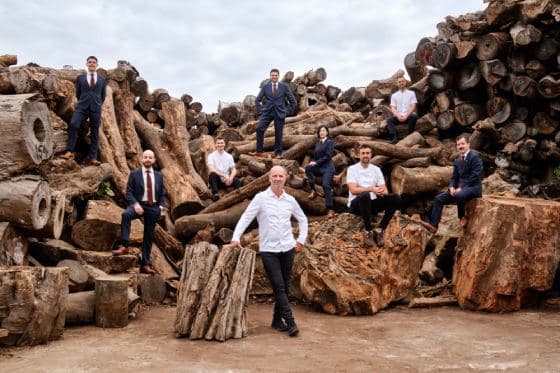
In collaboration with HK Timberbank, Atelier E specified reclaimed timber from typhoon-damaged and development-felled Hong Kong trees. Entrance louvres, tables, and the central sculptural volume turn what would have been waste into the primary architectural language.

Outcome

The completed room supports Michelin-starred dining with a Michelin Green Star trajectory and won the Global Best Sustainability Design Award at the Restaurant & Bar Design Awards 2025 in Dubai.

Collaborators

  • HK Timberbank — Reclaimed timber & craftsmanship
  • Simon Rogan / Roganic — Client

Project FAQ

Who designed Roganic Hong Kong’s interiors?
Hong Kong studio Atelier E, founded by Enoch Hui, designed the interiors in collaboration with HK Timberbank for reclaimed timber craftsmanship.
What materials define the Roganic Hong Kong interior?
Reclaimed Hong Kong timber salvaged from typhoon and development trees, live-edge tables, sculptural column cladding, and oyster-shell composite elements.